
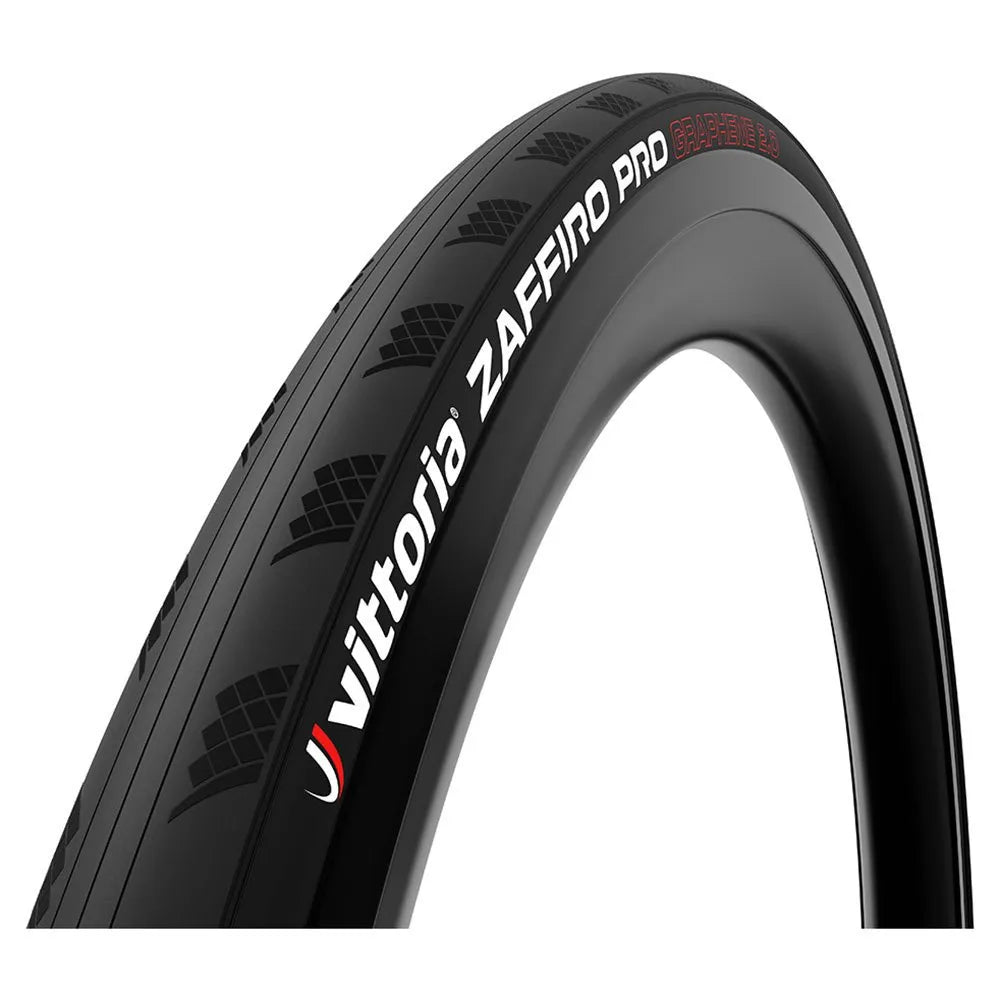
When it comes to cycling, tire choice plays a crucial role in performance and comfort. Cyclists often find themselves having to choose between two main types of tires: tubeless vs Clincher tires . Both options offer advantages and disadvantages, depending on your needs and personal preferences. In this article, we'll explore the characteristics of each type, helping you make the best choice for your riding style.
1. Tubeless tires
The tires tubeless These tires do not have an internal inner tube. They use a sealed system in which the tire is mounted directly to the rim, eliminating the need for a separate inner tube. This type of tire is widely used in both road cycling and mountain biking (MTB).
Advantages of Tubeless :
- Puncture resistance : One of the main advantages of tubeless tires is increased puncture resistance. By using a sealant inside the tire, small punctures are automatically sealed while you ride, significantly reducing the risk of having to stop for repairs.
- Lower pressure : With tubeless tires, you can ride with lower pressure without risking pinch flats, thus improving comfort and grip, especially on rough or dirt terrain.
- Reduced Rolling Resistance : Without the friction caused by the inner tube, tubeless tires tend to offer less rolling resistance, improving pedaling efficiency.
- Better grip : The ability to use lower pressures allows for greater contact between the tire and the surface, improving grip, especially when cornering and on technical terrain.
Disadvantages of Tubeless :
- More complex installation : Installing a tubeless tire can be a little more complicated than a traditional clincher. You need to make sure the rim is perfectly sealed, and an air compressor is often required to achieve a good seal.
- Maintenance : Although they reduce punctures, tubeless tires require regular maintenance, as the sealant needs to be topped up periodically.
- Cost : Tubeless tires and their rims tend to be more expensive than tubed alternatives.
- Difficulty repairing in the field : In the event of a major puncture, it may be necessary to use a special repair kit or, in some cases, have to insert an inner tube to continue the journey.
2. Clincher with inner tube
THE tires They are the most traditional type of bicycle tire, consisting of an outer tire and an inner tube. This system is used by many cyclists due to its simplicity and versatility.
Advantages of the Clincher with Inner Tube :
- Ease of installation and maintenance : One of the greatest strengths of the clincher tire with inner tube is its ease of installation. Changing a flat tube requires little time and tools, and is a repair that almost all cyclists can handle themselves.
- Lower cost : Clincher tires and tubes are generally cheaper than tubeless systems, both for replacement parts and rims.
- Wide availability : Being the most popular system, tires and tubes are easily available at any cycling shop, making replacements easier in an emergency.
- Variety : There is a wide range of tires and tubes to choose from, depending on personal preference, riding style and terrain type.
Disadvantages of Clincher with Inner Tube :
- Greater risk of punctures : Compared to tubeless tires, clincher tires with inner tubes are more vulnerable to punctures, whether from nails or splinters, or from pinch flats due to insufficient pressure.
- Rolling Resistance : The presence of the inner tube introduces increased rolling resistance, which can slightly reduce pedaling efficiency, especially on smooth terrain or paved roads.
- Inability to use very low pressures : With an inner tube, you can't go too low on the pressure without risking pinch flats. This reduces comfort and grip, especially on rough surfaces.
Tubeless vs. Clincher: Which One Should You Choose?
The choice between tubeless and clincher tires depends largely on the type of cycling you do and your personal preferences.
- If you're a cyclist who prefers technical terrain, dirt roads, or trails , and want to avoid punctures as much as possible, tubeless might be the best choice. The ability to run lower pressures without risk of pinch flats is a significant advantage for those seeking traction and comfort in challenging conditions.
- If you're a road cyclist or a recreational cyclist , clincher tires with inner tubes may be the ideal option. They're easy to maintain, more affordable, and reliable enough for most road conditions.
Conclusion
Both types of tires offer pros and cons that depend on your riding style and the conditions you ride in. tubeless tires They are a technologically advanced solution that reduces the risk of punctures and improves comfort, but require greater attention during installation and maintenance. On the other hand, the clinchers with inner tubes They offer simplicity and convenience, remaining the preferred choice for many road cyclists.
Choosing the right tire system for your bike can make a big difference in terms of performance and reliability. Carefully analyze your needs, your riding style, and the conditions you typically ride in to make the best choice.

Leave a comment
This site is protected by hCaptcha and the hCaptcha Privacy Policy and Terms of Service apply.